Choosing a commercial chapati making machine can streamline busy kitchens, restaurants, and catering operations. This guide highlights five top options that balance automation, throughput, and ease of use. Read on to compare features, performance, and considerations to help you select the right equipment for high-volume flatbreads, tortillas, and similar items.
The following summary table offers a quick glance at the chosen products. Note: prices are not listed here to keep focus on product capabilities and fit for business needs.
| Product | Brand | Key Feature |
|---|---|---|
| HMKDQBD Roti Maker | HMKDQBD | Automated dough handling; up to 20 rotis at once |
| kaiwrxin Electric Tortilla Maker (Black) | kaiwrxin | High-volume tortilla production; adjustable thickness |
| kaiwrxin Electric Tortilla Maker (Gold) | kaiwrxin | High-efficiency, dual mold options; non-stick surfaces |
| TECHTONGDA Commercial Electric Chapati Machine | TECHTONGDA | Independent heating control; large pressing surface |
| StarBlue 10-Inch Roti Maker | StarBlue | Includes roti warmer; removable handle for portability |
HMKDQBD Roti Maker

The HMKDQBD Roti Maker automates core steps from dough handling to final puffing. Its AI-enabled system measures, dispenses, mixes, and kneads dough, converting dry flour into ready rotis in about two minutes. It is designed to produce up to 20 pieces at once, making it suitable for medium-to-large operations that require batch throughput. The device features a large touch panel to adjust roti thickness (1.0 mm to 1.5 mm), roast settings, and oil level, allowing operators to tailor textures to customer preferences. A three-layer cooking design helps ensure even puffing while preserving taste and nutrition. Two detachable components simplify cleaning and are dishwasher safe, reducing downtime between batches.
With its fully automated workflow, this model aims to deliver consistent results across shifts. Operators can focus on feed quality and maintenance while the machine handles kneading and shaping. The overall footprint is compact enough for mid-sized kitchens, yet robust enough for steady, repeated use. Consider compatibility with your current production line and whether you need to standardize roti thickness for menu uniformity. Maintenance involves periodic inspection of moving parts and ensuring the dishwasher-safe components remain free of dairy or oil buildup to maintain performance.
kaiwrxin Electric Tortilla Maker (Black)

kaiwrxin’s Black tortilla press offers high-efficiency, automated tortilla production aimed at restaurants and other high-demand settings. Capable of producing up to 2,000 tortillas per hour, it supports the creation of various flatbreads, including fusion blends suitable for tacos, wraps, and global dishes. The unit provides adjustable thickness, from 1.5 mm to 5.5 mm, and includes 4″ and 6″ molds to support both small and larger portion sizes. A non-stick, food-grade coating on rollers minimizes sticking and simplifies cleaning—critical in busy kitchens where downtime impacts service. The combination of speed, consistent thickness, and straightforward maintenance makes this model a strong fit for fast-paced operations seeking reliable throughput.
While designed for efficiency, operators should monitor dough consistency and temperature to maintain even texture across batches. The dual mold option supports menu flexibility, but ovens and griddles in the same kitchen should be aligned to keep cooking times synchronized. Regular cleaning of non-stick surfaces prevents buildup that can affect release and flavor. Consider how this machine integrates with your prep workflow and whether you require multiple units for peak service hours.
kaiwrxin Electric Tortilla Maker (Gold)

This gold-tinished model from kaiwrxin provides the same high-output capability as its black sibling, with a focus on durable, non-stick surfaces and automated operation. The 2,000 tortillas-per-hour throughput is designed to support high-volume meals, catering, and batch production. Adjustable thickness and dual mold sizes enable flexible menu planning and portion control, whether you’re producing 4″ wraps or 6″ tortillas. Non-stick, food-grade rollers help prevent sticking, reducing waste and cleaning time after each service window.
Operational considerations include ensuring consistent dough prep to avoid jams and maintaining even heat distribution to preserve texture across the entire baking cycle. This model complements any kitchen that values speed and consistency, especially when paired with a dedicated prep station for dough handling and dough batching. Ensure electrical service and ventilation meet the machine’s requirements and that staff are trained for safe operation and routine cleaning routines.
TECHTONGDA Commercial Electric Chapati Machine

TECHTONGDA’s commercial electric chapati machine emphasizes independent heating control and a robust pressing system. The 13.7-inch pressing surface, stainless-steel construction, and a dual-heating plate design support precise temperature management from 0 to 400°C. The thickness range (0.7 to 50 mm) enables a spectrum from ultra-thin crepes to thicker flatbreads, while the machine’s high-pressure cylinder ensures consistent disc formation. An intelligent LCD panel provides clear feedback for both upper and lower temperature settings, pressing duration, and cycle selection, promoting predictable results in a fast-paced production line.
Flawless integration with existing kitchen workflows requires attention to energy use and operator ergonomics. The unit is designed to handle large volumes with repeatable results, making it well-suited for bakeries, canteens, or hotel restaurants that produce tortillas, chapatis, or crepes across many shifts. Regular calibration and safe lifting practices will help sustain long-term performance, especially in high-demand environments where throughput is the primary goal.
StarBlue 10-Inch Roti Maker

The StarBlue roti maker combines versatility with user-friendly features. It is designed for home and small commercial use, capable of producing round chapatis, tortillas, naans, rotis, and parathas with a non-stick coating on the plates for easier cleaning. A free roti warmer is included to keep finished bread warm and crisp, while a removable handle aids portability and storage. This model emphasizes convenience and quick service, making it a practical entry point for smaller operations or test runs before scaling to larger equipment.
Because this unit targets smaller-scale production, operators should evaluate whether its throughput aligns with peak demand times. It’s well-suited for cafes, food trucks, or small catering setups that require reliable, simple operation without sacrificing quality. Routine maintenance includes checking the non-stick surfaces and ensuring the warmer maintains steady temperature control as service needs evolve.
Fully Automatic Roti Maker Machine
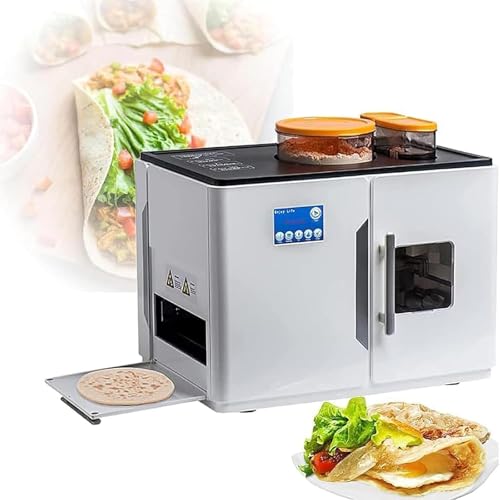
This fully automatic option handles measuring, mixing, and kneading dough, delivering fresh roti or chapati in about 120 seconds. It uses a large touch screen and offers adjustable thickness (1.0-35 mm) and baking time to tailor texture and degree of doneness. The design focuses on space efficiency, making it suitable for home kitchens, small restaurants, and canteens that want a compact, all-in-one solution. The device aims to balance speed with customization, supporting a variety of bread styles beyond pure chapati and roti.
Operational considerations include ensuring a consistent dough supply to maximize throughput and prevent jams. The machine’s one-touch operation can reduce training time for staff, but users should still monitor oil levels and temperature controls to maintain product quality across shifts. Its compact footprint makes it a strong candidate for pilots or expansion into smaller service areas where quick, uniform flatbreads are needed.
Commercial Gas-Powered Tandoor Ovens
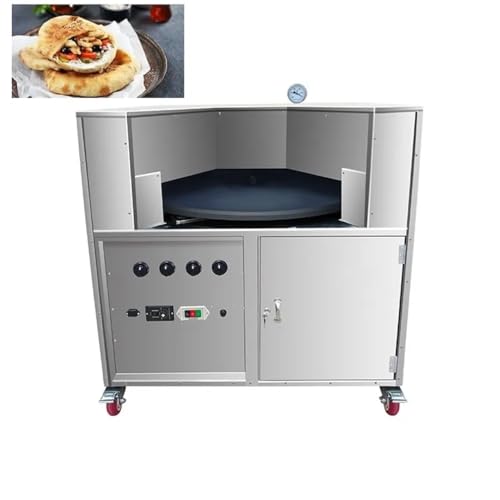
While not a traditional electric roti maker, this commercial gas-powered tandoor oven provides a versatile alternative for authentic naan, roti, and other flatbreads. The design features a rotating stone surface to accommodate multiple breads, a spacious interior, and intuitive controls to adjust temperature and cooking time. Restaurants seeking a traditional texture or a wood-fired-like finish can leverage this equipment to diversify menus and create signature breads that complement curries and grilled dishes.
Considerations include gas compatibility, ventilation requirements, and ongoing fuel costs. The tandoor’s capacity makes it suited for larger kitchens or high-volume catering operations, but installers should ensure proper clearance and safety protocols. This option can broaden menu capabilities for establishments prioritizing authentic textures and flavor profiles in flatbreads.
Buying Guide: Key Purchase Considerations
- Throughput and batch size: Match machine capacity with peak demand. Higher-end models can produce thousands of pieces per hour, while smaller units fit cafes or food trucks.
- Heat management and dough handling: Look for features like independent heating control, non-stick surfaces, and automated kneading to ensure consistency and ease of cleaning.
- Thickness control and flexibility: Adjustable thickness ranges and multiple mold sizes expand menu options from tortillas and chapatis to naans and pancakes.
- Maintenance and sanitation: Dishwasher-safe components, easy-to-clean rollers, and accessible parts reduce downtime and help meet food-safety standards.
- Footprint and workflow integration: Consider the kitchen layout, power supply, ventilation, and how the machine fits with existing prep stations and ovens.
- Electrical and fuel needs: Some models are electric, others gas-powered or dual-heat designs. Ensure compatibility with your facility’s utilities.
- Staff training: Choose units with intuitive interfaces (large touchscreens, clear indicators) to minimize training time and maximize consistent results.
- Reliability and service: Favor brands with readily available parts, local service, and documented warranty terms to minimize downtime.
- Versatility vs. specialization: If your menu includes multiple flatbreads, seek machines that handle a range of thickness and dough types without compromising speed.
- Cost of ownership: Beyond purchase price, factor in energy usage, maintenance, parts, and potential downtime costs when evaluating total cost of ownership.