Discover top 5 220-volt espresso machines that suit international outlets and home bars. These models balance raw power with user-friendly controls, helping you craft barista-level drinks without leaving the country. Below, you’ll find an overview of each option and why it stands out for 220V environments.
| Product | Brand | Key Benefit | Capacity |
|---|---|---|---|
| Dynastar 220 Volts Espresso Maker With Milk Frother | Dynastar | 20-bar pressure with European 220-240V compatibility | Not specified |
| Chefman CaféMaster Pro Espresso Machine | Chefman | Built-in frother; one-touch operation for café beverages | 1.8 L reservoir |
| Ninja Luxe Café Premier 3-in-1 | Ninja | Three machines in one with grinder and guided grind settings | Multiple sizes |
| atatix Espresso Machine with Milk Frother | atatix | 20-bar system with precise temperature control | 44 oz tank |
| CASABREWS CM5418 Espresso Machine | CASABREWS | Professional 20-bar pump; built-in steam wand | 34 oz water tank |
Dynastar 220 Volts Espresso Maker With Milk Frother

The Dynastar model operates on 220-240V, suitable for most regions outside North America. It features a 20-bar pressure system to deliver a crema-rich espresso and a user-friendly touch control panel for simple customization. The European-style plug ensures compatibility with many 220V outlets worldwide, though it should not be used in USA or Canada.
Chefman CaféMaster Pro Espresso Machine

Be your own barista with a built-in frother and a 15-bar pump that can pull single or double shots. This 6-in-1 machine creates espressos, cappuccinos, lattes, and more. One-touch operation simplifies the process, while the frother delivers creamy milk textures for café-quality beverages at home.
Ninja Luxe Café Premier 3-in-1 Espresso Machine
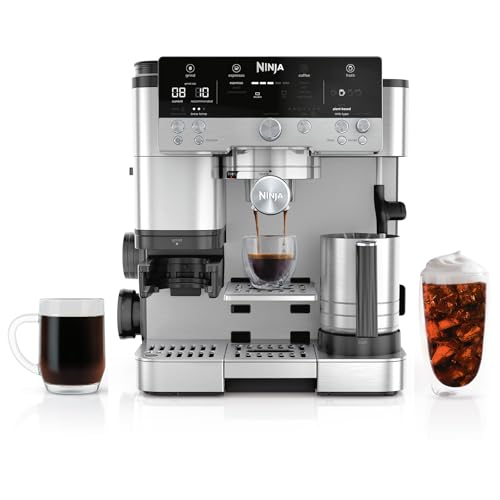
This versatile machine combines espresso, drip coffee, and rapid cold brew. It includes a built-in grinder with 25 grind settings and barista-style features like guided grind size recommendations and weight-based dosing. A hands-free milk frother and tamper assist provide a streamlined workflow for customized drinks.
atatix Espresso Machine With Milk Frother

Featuring a 20-bar pressure system, this compact stainless steel unit maintains optimal extraction pressure for a rich crema. A 44-ounce removable tank supports extended use, and the machine’s precise NTC temperature control ensures shots brew within a consistent 90–96°C range, aiding flavor stability across different bean profiles.
CASABREWS CM5418 Espresso Machine

The CASABREWS CM5418 combines a 20-bar professional pump with a steam wand for milk frothing, ideal for cappuccinos and lattes. The 34-ounce removable water tank simplifies refilling and maintenance, while the built-in gauge helps monitor extraction pressure for consistent home barista results.
Buying Guide: Key Purchase Considerations For 220-Volt Espresso Machines
When evaluating 220V espresso machines, consider these factors to match performance with your space and electrical setup.
- Voltage Compatibility: Ensure the model is designed for 220-240V outlets if you live outside North America. Some units include dual-voltage options or require adapters; confirm the plug type and regional electrical codes before purchase.
- Pressure and Extraction: A 15–20 bar pump range is common for home machines. Higher pressure can aid crema but may require precise temperature control to avoid bitterness. Look for machines with pressure gauges or pre-infusion features for consistent extractions.
- Steam Wand And Frothing: If you enjoy milk-based drinks, a reliable steam wand or integrated frother matters. Some models include automatic microfoam systems for easier milk texturing, while others rely on manual frothing for barista artistry.
- Built-In Grinder vs. Pre-Ground: Integrated grinders offer convenience and freshness with adjustable grind settings. Machines without grinders require pre-ground espresso, which can influence flavor and crema.
- Water Reservoir Capacity: Larger reservoirs reduce refilling frequency, especially for households or offices. Consider whether a removable tank simplifies maintenance and cleaning.
- Maintenance And Durability: Stainless steel construction, easy-clean components, and accessible replacement parts extend lifecycle. Look for rinse cycles, descaling alerts, and warranty coverage.
- Size And Footprint: Counter space matters. Compact units save room but may have smaller reservoirs or fewer features. Match size to your kitchen layout and usage frequency.
- Versatility: Some machines combine drip coffee, espresso, and cold brew, offering multi-beverage versatility. Ensure the chosen model aligns with your preferred coffee styles.
- Ease Of Use: Digital touch controls, programmable shot volumes, and automated frothing ease daily routines. Simpler machines can reduce setup time for quick beverages.
- Energy Efficiency: Look for power-saver modes or faster heat-up times to minimize electricity use while delivering consistent performance.